Single-cell sequencing
Brain
aging

Age-related cancer
Aging Fly
Cell Atlas

Technology development: single cell multi-omics
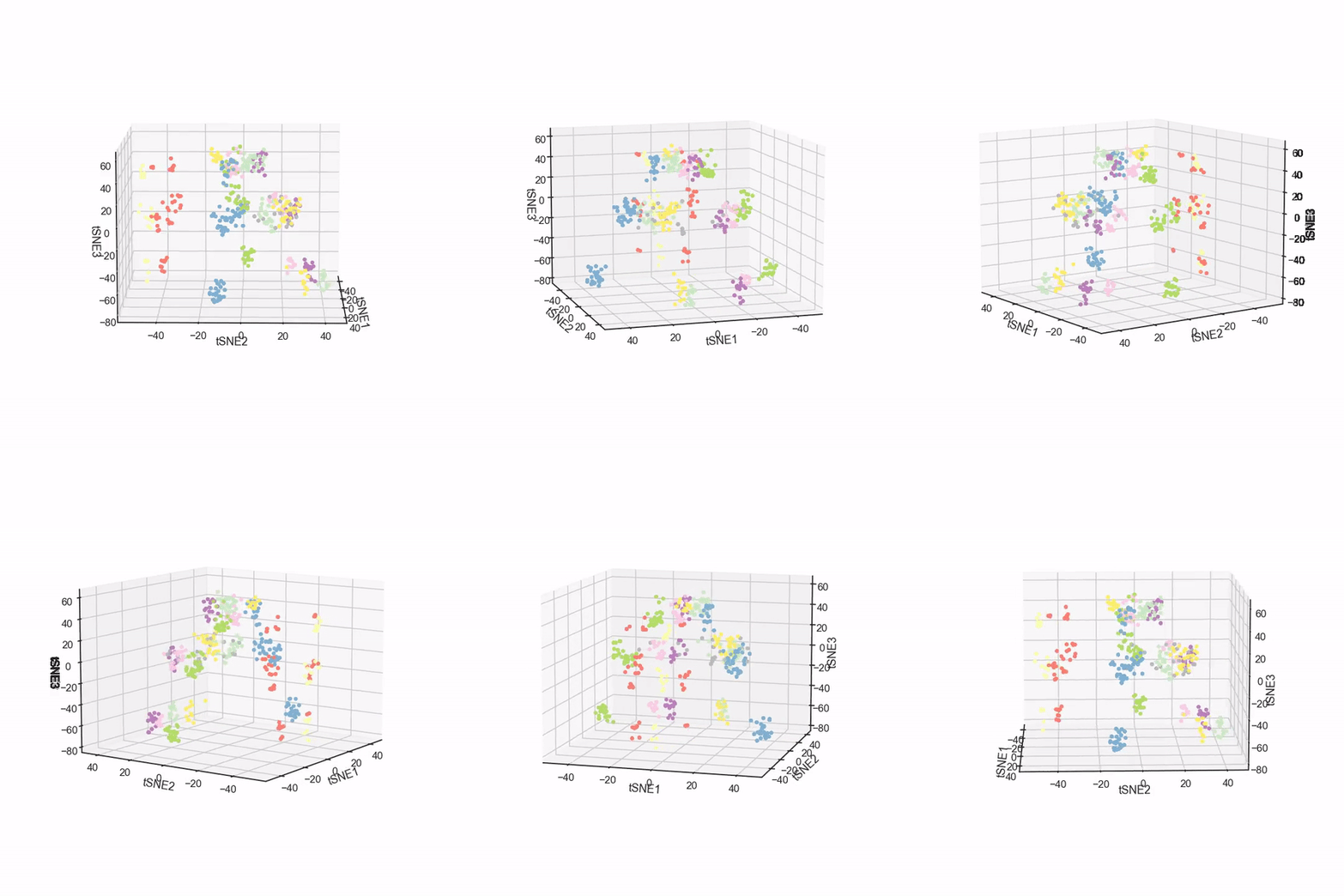
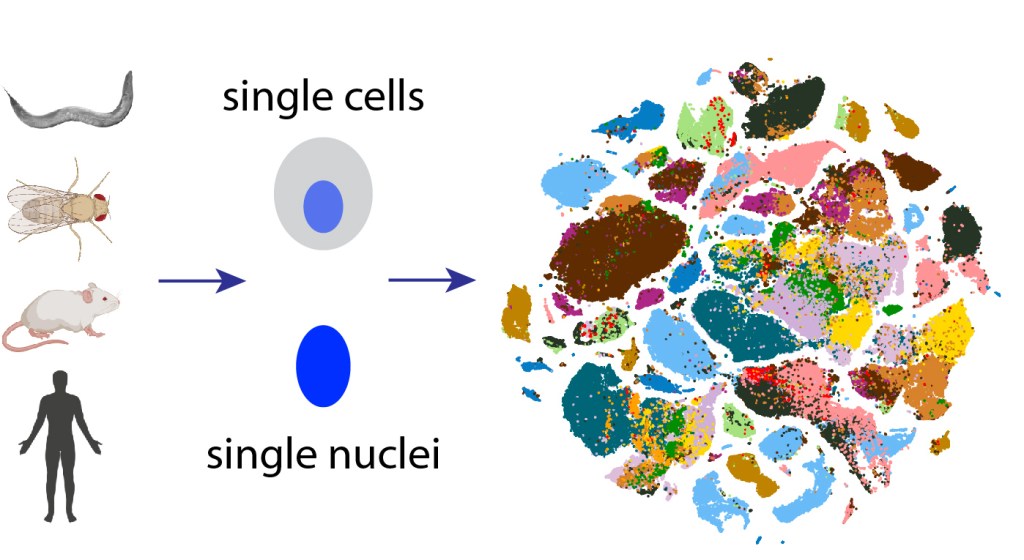
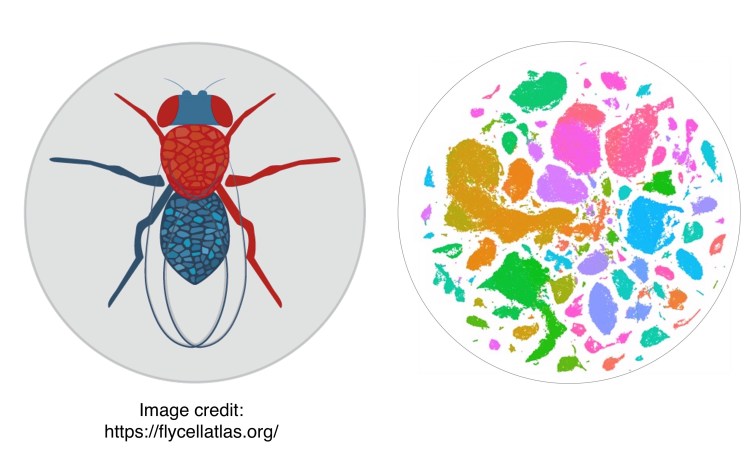
We have developed the first single-cell RNA sequencing platform in Drosophila for studying neural development (2017 Cell; 2020 Current Biology) and pioneered the use of single-nucleus RNA-seq in Drosophila (2021 eLife). Building on these, we further developed the first whole-organism single-nucleus RNA-seq Fly Cell Atlas (FCA; 2022 Science) in collaboration with 42 labs around the world. Recently, we generated the Aging Fly Cell Atlas (AFCA; 2023 Science). The AFCA represents the most extensive single-cell transcriptomic dataset to date of an entire aging organism and reveals several novel insights of aging.
We will continue developing and applying multi-omics technologies (transcriptomics, epigenomics, and proteomics), and combine them with powerful fly genetic tools to study aging and age-related diseases.
Anti-brain aging to increase healthy lifespan
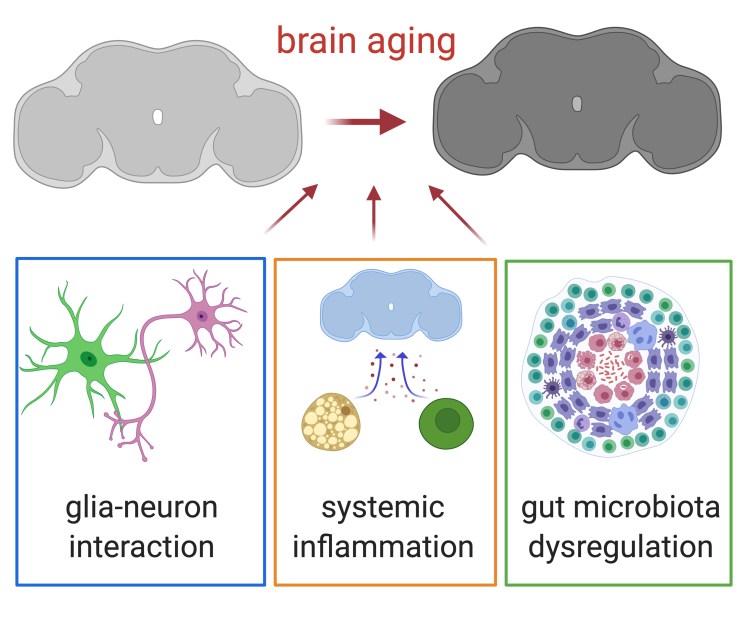
Our long-term goal is to identify molecular and cellular mechanisms that contribute to brain aging, including glia-neuron interactions, peripheral inflammatory signals, and gut-brain interactions. We will apply state-of-the-art technologies, including single-cell sequencing, single-bacterium genomics, cell surface proteomics to study glia-neuron interactions and inter-organ communications to understand the brain aging.
Limiting age-triggered tumor initiation & growth

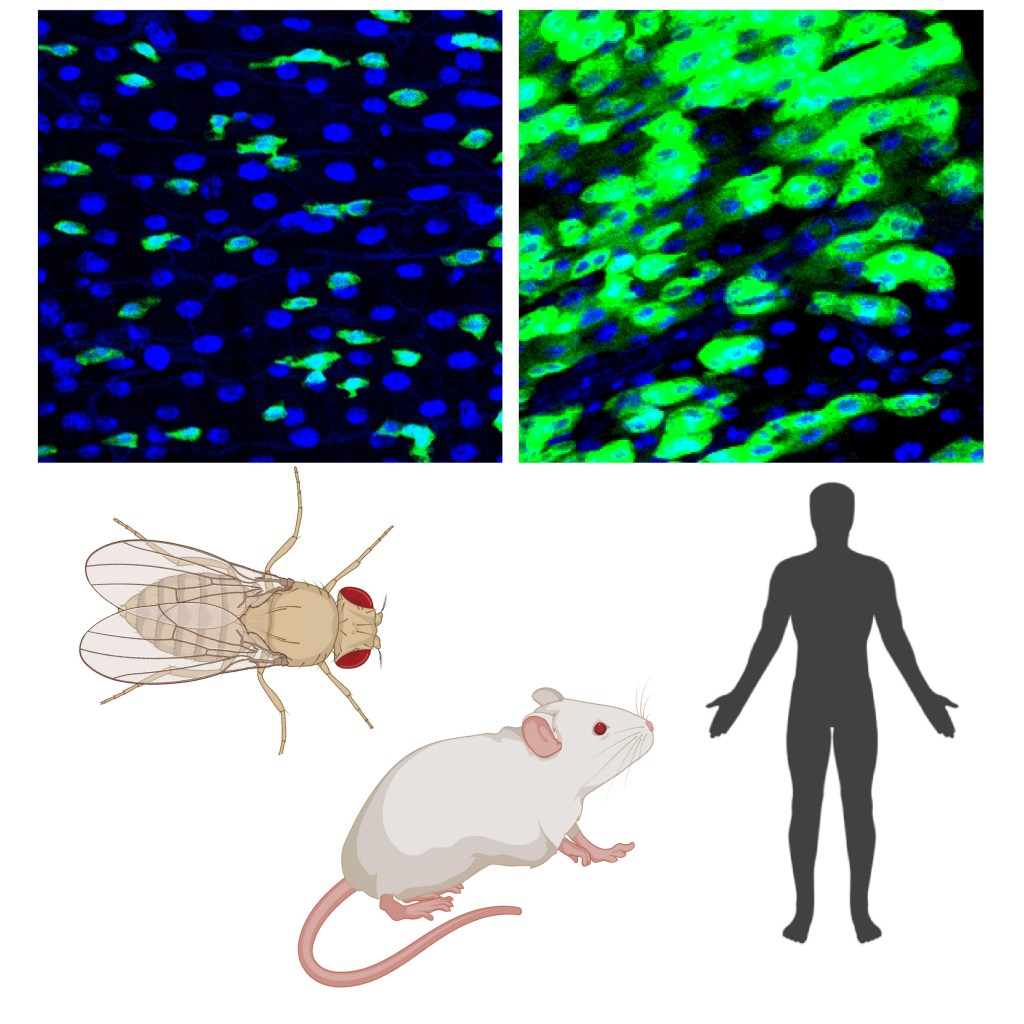
Age is the biggest risk factor for many types of cancers, including breast, prostate, lung and colorectal cancers (Li and Jasper, 2016). A central goal of this project is to discover how aging triggers tumor onset in the regenerating intestine. We will use fly intestine as a discovery model to generate hypotheses that we will then test in mouse cancer models and human colon cancer samples, aiming to develop effective strategies for limiting age-related tumor initiation.
Improve healthy aging
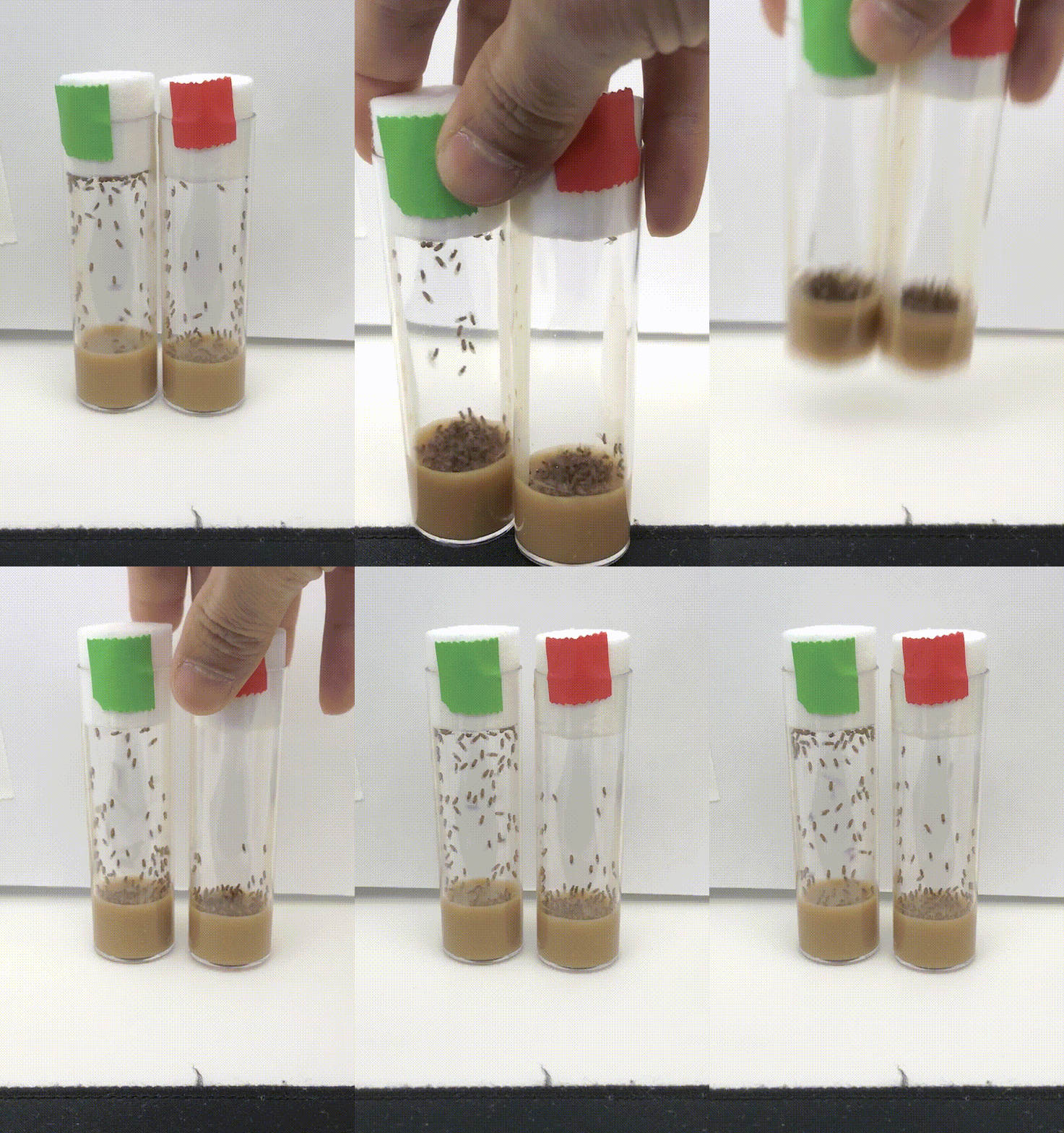
In the video, two vials of flies are from the same genetic background (same parents) and at the same age (65-day; similar to 70-year-old in human). One simple treatment for green-taped flies keeps them healthy, active and young.
We aim to identify safe and effective treatments to delay aging and extend the healthy lifespan, first in flies (who cares), and then apply them to large animals (cat and dog that we care), and eventually to humans.
FUNDING





Baylor College of Medicine (BCM) – Huffington Center on Aging
R00 – National Institute on Aging (NIH) 2021
Junior Faculty Seed Grant – BCM 2021
IMPETUS GRANTS for Longevity Research 2021
CPRIT – Cancer Prevention and Research Institute of Texas 2021
Ted Nash Long Life Foundation 2022
Welch Foundation 2023
NIH/NIA U01 (MPI) 2024
NIH Director’s New Innovator Award (DP2) 2024
Hevolution/AFAR New Investigator Award 2025
DeBakey Research Award 2025
Nancy Chang Award for Research Excellence 2025
 Hongjie Li Lab